 Skip to content
A CP504 notice is the IRS’s final balance-due reminder and a formal notice of intent to levy. It means the IRS plans to seize your bank accounts, wages, or other assets if you do not pay your outstanding tax debt or make arrangements within approximately 30 days. This is not a routine reminder. It is the last notice before enforcement action begins.
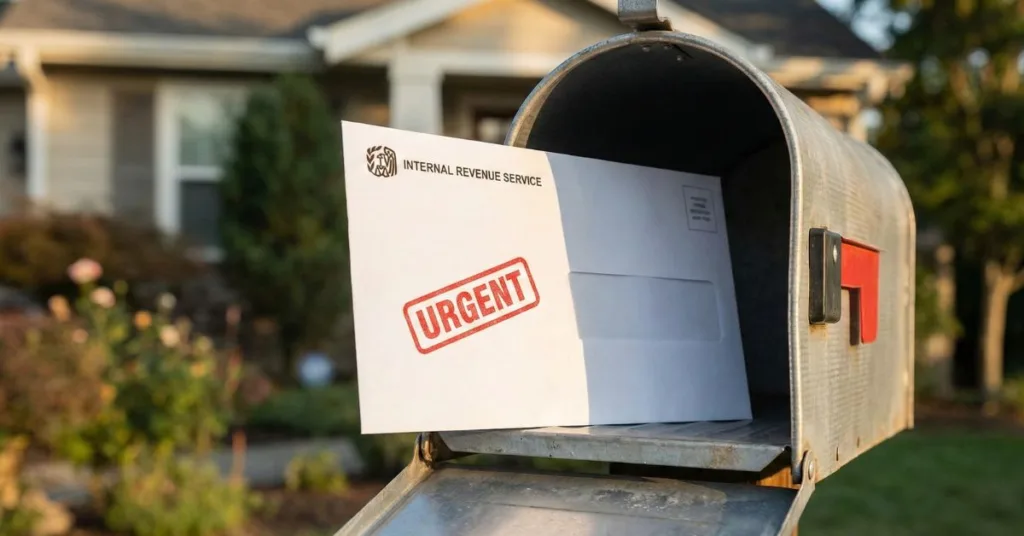
If you just pulled this letter from your mailbox, take a breath. You still have options, but the window is closing fast. Here is what triggered this notice, how it differs from earlier IRS letters, and the steps you should take right now.
What Is a CP504 Notice and Why Did You Get One?
The IRS follows a structured collection sequence before it resorts to levies or wage garnishments. A CP504 is the fourth and final letter in that sequence. By the time it reaches you, the IRS has already sent a CP14 (initial balance-due notice), a CP501 (first reminder), and a CP503 (second reminder). Each gave you an opportunity to pay, set up a payment plan, or dispute the balance.
This notice tells you the exact amount you owe, including penalties and interest accruing since your original due date. It also fulfills a legal requirement under Internal Revenue Code Section 6331, which mandates written notice at least 30 days before levy action.
Your notice will reference your specific tax year, the total balance due, and a response deadline. Missing that deadline means the IRS gains the legal authority to levy your bank account, garnish your wages, or seize other assets.
CP503 vs CP504: Understanding the Difference
Many taxpayers confuse the CP503 and CP504 because both are balance-due reminders. The difference is critical.
| Feature | CP503 | CP504 |
|---|---|---|
| Type | Second reminder notice | Final notice of intent to levy |
| Enforcement threat | None stated | IRS can levy bank accounts and wages |
| Legal significance | Informational reminder | Satisfies legal requirement for levy action |
| Urgency level | Moderate | Immediate action required |
| Typical timeline | 5-8 weeks after CP501 | 4-8 weeks after CP503 |
| State tax refund at risk | No | Yes, IRS may apply your state refund to your debt |
The CP503 is a courtesy follow-up. The CP504 is a legal trigger. Once you receive a CP504, the IRS has met its obligation to warn you, and enforcement can begin after the response window closes.
What Happens If You Ignore a CP504 Notice?
Ignoring this notice is the worst decision you can make. Here is the enforcement timeline that typically follows an unanswered CP504:
- Your state tax refund gets seized. The IRS can intercept refunds from your state and apply them to your federal debt immediately.
- A federal tax lien is filed. This public record attaches to your property and damages your credit score.
- Bank account levies begin. The IRS contacts your bank, which freezes your funds for 21 days before sending the money to the IRS.
- Wage garnishment starts. Your employer receives a notice requiring them to send a portion of each paycheck directly to the IRS.
- IRS passport certification. If your seriously delinquent tax debt exceeds $62,000 in 2025 (adjusted annually for inflation), the IRS can certify your debt to the State Department, which may revoke or deny your passport.

Steps to Take Immediately After Receiving a CP504
You need to act within the 30-day window printed on your notice. These are the specific steps that can prevent levy action.
Verify the balance is correct. Check the tax year, assessed amount, and any payments listed on the notice. The IRS does make errors. You can look up your IRS notice number to understand exactly what the letter is telling you and what your options are.
Decide on a resolution path. The IRS offers several options depending on your financial situation:
- Full payment. If you can pay the total balance, do so immediately using IRS Direct Pay or the payment options available on the IRS website. This stops all further collection action.
- Installment agreement. If you cannot pay in full, you may qualify for a monthly payment plan. The IRS generally approves these for balances under $50,000.
- Offer in compromise. If you owe more than you can reasonably pay, you may be able to settle for less than the full amount.
- Currently not collectible status. If paying would create a genuine financial hardship, the IRS may temporarily pause collection efforts.
Contact a CPA before responding. This is where most taxpayers make costly mistakes. Calling the IRS without understanding your rights can lock you into an unfavorable agreement. A CPA who specializes in IRS tax resolution understands the internal processes the IRS uses and can negotiate terms that protect your financial stability.
Why Professional CPA Representation Matters with a CP504?
The CP504 is not the kind of tax problem you want to handle alone. The IRS assigns a collection case to your file at this stage, and every interaction you have with the agency affects your resolution options.
A qualified CPA can pull your full IRS transcript, identify discrepancies, calculate whether you qualify for penalty abatement, and determine which resolution path gives you the best outcome. They can also file a Collection Due Process hearing request if the IRS moves to levy before you have had a fair opportunity to respond.
At Ed Parsons CPA, we work directly with the IRS on behalf of taxpayers facing CP504 notices and active collection actions. You can find answers to common IRS tax resolution questions or schedule a consultation to review your notice with a professional.
Frequently Asked Questions
How long do I have to respond to a CP504 notice?
You generally have 30 days from the date printed on the notice to respond before the IRS can begin levy action. Do not calculate from the date you received it. The clock starts from the notice date.
Can the IRS levy my bank account without warning?
No. The CP504 is the legally required warning. Once the 30-day window passes, the IRS does not need to send additional notices before seizing funds.
What if I already set up a payment plan and still got a CP504?
This can happen if a payment was missed or if the installment agreement defaulted. Contact the IRS or your CPA immediately to reinstate or renegotiate the agreement before levy action begins.
Is a CP504 the same as a levy?
No. A CP504 is a notice of intent to levy. It warns you that a levy is coming. The actual levy is a separate legal action that occurs after the notice period expires.
Do Not Wait Until the IRS Takes Action
A CP504 notice is serious, but it is not the end of the road. Taxpayers who respond promptly with professional guidance achieve better outcomes than those who ignore the notice or negotiate alone.
If you are holding a CP504 right now, contact Ed Parsons CPA today and get a tax resolution professional working on your case before the IRS moves forward with collection.