Skip to content

Navigating the complexities of U.S. tax compliance can be particularly challenging for dual citizens and expatriates with ties to Australia. This guide aims to illuminate the key regulations and obligations that Australian Pty Ltd companies face concerning U.S. tax laws. Readers will gain insights into critical filing requirements, potential tax implications, and streamlined procedures for compliance. Understanding these aspects is crucial for avoiding penalties and ensuring proper adherence to obligations, especially for those managing cross-border transactions. In this article, we will explore various topics including U.S. tax filing obligations, the implications for dual citizens, and the necessity of seeking professional consultation.
Key Regulations
Understanding the U.S. tax framework is essential for compliance, particularly for Australian expatriates and dual citizens. The U.S. tax system operates on a worldwide income basis, meaning that U.S. citizens, regardless of where they reside, must report their global earnings. This principle underscores the significance of tax treaties, which are designed to prevent double taxation and clarify reporting responsibilities. An overview of these key regulations serves as the foundation for understanding the U.S. tax obligations faced by Australian entities and individuals.
U.S. Tax Filing Obligations
U.S. tax filing obligations for expatriates and dual citizens entail several vital requirements. Each year, U.S. citizens living abroad must submit their annual tax returns, along with any required ancillary forms such as the Foreign Bank Account Report (FBAR) and applicable IRS forms related to their income sources. Additionally, those maintaining foreign financial accounts must adhere to specific reporting guidelines. It is essential to recognize these obligations to avoid significant penalties that can arise from non-compliance.
Potential Tax Implications
Failure to meet U.S. tax obligations may lead to severe financial repercussions for expatriates and dual citizens. Penalties for late filings can accumulate quickly, especially given the stringent timelines imposed by the IRS. Moreover, non-compliance carries additional risks, such as the potential for losing access to certain tax benefits. Streamlined filing processes can offer relief to those who may have fallen behind, providing a path towards rectifying any omissions.
The potential implications of non-compliance are substantial. In particular, expatriates may face risks such as:
- Higher Penalties: Accumulating fines that increase significantly over time.
- Loss of Credit: Ineligibility for tax credits and benefits that could otherwise reduce tax liabilities.
- Legal Actions: Increased scrutiny from the IRS that may lead to enforcement actions.
For those navigating these challenges, the consultation of professional services can be invaluable in mitigating these risks and ensuring proper compliance.
What are the US Tax Filing Obligations for Australian Pty Ltd Companies?
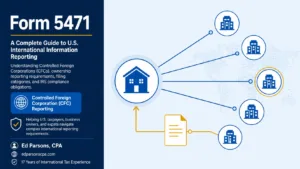
Australian Pty Ltd companies operating in the United States face specific IRS requirements that differ from those for individual taxpayers. The foremost requirement is filing Form 5471, which is necessary for foreign corporations to report their operational activities and financial information to the IRS. Additionally, the implications of Controlled Foreign Company (CFC) status can affect the tax responsibilities of these entities.
How does US tax law apply to Australian foreign entities?
U.S. tax laws classify different entities distinctly, leading to variations in reporting requirements depending on the nature of the business. Australian structures may be treated differently based on their classification, impacting the reporting obligations. For example, a corporation may face different tax treatments compared to a partnership or limited liability company (LLC). Understanding these nuances is crucial for accurate compliance.
Which IRS forms and reports must Australian companies file?
Australian companies must adhere to various IRS filing requirements. Forms like the 5471 must be submitted to report foreign ownership and financial interests. These forms, combined with FBAR requirements for foreign bank accounts, establish a comprehensive compliance framework that businesses must navigate to avoid penalties.
If a company has reported income from investments in a foreign corporation, it may additionally require specific disclosures to meet IRS standards.
How Do Dual Citizens and Expats Meet Their US Tax Reporting Requirements?
Dual citizens and expatriates shoulder unique challenges in fulfilling their U.S. tax responsibilities. Ensuring compliance necessitates understanding the types of income that must be reported, which can include wages, dividends, and business revenues generated abroad.
What income and assets must dual citizens report to the IRS?
Dual citizens must report various income categories to the IRS. This includes earned income such as salaries and wages, as well as unearned income like dividends and interest. Additionally, assets held in foreign accounts must also be declared under FBAR regulations—further complicating the reporting landscape.
Which deadlines and penalties apply for US expat tax filings?
Deadlines for U.S. tax filings vary for expatriates, typically offering extended timelines when filing from abroad. However, the risk of penalties for late submissions remains a serious concern. By adhering to established deadlines and maintaining accurate records, expatriates can minimize potential consequences, ensuring a smoother compliance experience.
When and How Should Australian Entities Use Streamlined Filing and Delinquent Filing Procedures?
For entities that have missed filing deadlines, accessing streamlined filings can provide a pathway toward compliance. Recognizing eligibility for streamlined procedures is key to mitigating penalties associated with past non-filing.
What are Streamlined Procedures for late US tax and FBAR filings?
Streamlined procedures allow taxpayers who have failed to file their returns to come into compliance without facing crippling penalties. These procedures are especially beneficial for those who can demonstrate a lack of willful neglect of their filing obligations. The steps required typically include gathering back tax documentation and filing necessary forms to rectify prior omissions. For further details on these procedures, one might consult resources on FBAR penalty and streamlined filing.
How can delinquent filings be resolved to minimize IRS penalties?
Delinquent filings can be resolved through correct reporting combined with direct communication with the IRS. Utilizing professional services as part of this process can lead to more favorable outcomes, especially in navigating the potential nuances of the IRS procedures tailored for expats and dual citizens.
What Are the IRS Enforcement Actions and Penalties Affecting Australian Pty Ltds and Their Owners?
The IRS employs various enforcement actions against non-compliant taxpayers, which can impose significant penalties and impact both individual and corporate finances.
How do Federal Tax Liens and levies impact foreign companies and dual citizens?
Federal tax liens and levies represent serious repercussions of tax non-compliance and create risk for both personal and corporate assets. Tax liens can diminish credit ratings, while levies allow the IRS to seize accounts and property without prior notification, which can be particularly damaging for businesses engaging in international commerce. Understanding the nature of a federal tax lien is crucial for comprehending these impacts. Furthermore, knowing about potential federal tax lien removal options can provide avenues for resolution.
What are the increasing penalties for FBAR and FATCA noncompliance?
Penalties for failing to comply with FBAR and FATCA requirements have become increasingly severe. The consequences vary, with willful violations potentially leading to fines exceeding $100,000. Recent reforms have intensified scrutiny on foreigners with U.S. affiliations, making compliance imperative.
How Are PFIC and CFC Rules Relevant to Australian Pty Ltd Tax Compliance?
The implications of Passive Foreign Investment Company (PFIC) and Controlled Foreign Corporation (CFC) rules significantly alter compliance parameters for Australian entities.
What defines a Passive Foreign Investment Company for US tax purposes?
A PFIC is generally defined by its income level and asset composition, wherein a majority of its income is derived from passive activities—like dividends and interest—rather than active trade or business functions. Understanding these designations is pivotal for compliance-related disclosures.
How does Controlled Foreign Corporation reporting affect Australian entities?
CFC status can entail extensive reporting obligations and tax implications for Australian entities. Companies classified as CFCs may be responsible for additional compliance requirements regarding their foreign shareholders. Such nuances necessitate careful evaluation of their corporate structures and reporting strategies.
Why Is Professional Consultation Crucial for Navigating US Tax Law Complexities?
Navigating IRS regulations can be taxing and complex, especially for those unfamiliar with U.S. tax laws.
How does guidance simplify international tax filing and compliance?
Professional consultation offers tailored guidance to expats and dual citizens, helping simplify adherence to labyrinthine tax compliance requirements. Practitioners frequently keep abreast of legislative changes and specific IRS criteria, providing significant value during filing.
What are the benefits of IRS case representation for foreign taxpayers?
Engaging professional assistance for IRS case representation can lead to improved communication and negotiations with tax authorities. By leveraging established expertise in tax dispute resolutions, taxpayers may find themselves with reduced penalties and more favorable outcomes in their dealings with the IRS. For instance, understanding how to respond to notices, such as the CP504 notice, which precedes an IRS levy, is critical. Additionally, being aware of opportunities like the LT11 letter or final notice of intent to levy, and the associated CDP form, can help in resolving issues before severe actions are taken. Timely responses are often dictated by specific IRS processes, like the Collection Statute Expiration Date (CSED), which impacts the IRS’s ability to collect debts.