Skip to content

Australian Family Trust US Tax Reporting & IRS Form 3520 Requirements

Australian Family Trust US Tax Reporting & IRS Form 3520 Filing Requirements: Comprehensive Compliance Guide
By Edward Parsons, CPA, Edward Parsons, CPA
Navigating the complexities of U.S. tax reporting for Australian family trusts can be daunting for many taxpayers. This guide is designed to clarify the requirements and implications of IRS Form 3520 and Form 3520-A, which are critical for compliance. Understanding these forms is essential for beneficiaries and trustees managing cross-border financial arrangements, especially considering the heightened scrutiny by the IRS on foreign trusts. This article aims to explore the filing process, compliance guidelines, implications for trustees and beneficiaries, and streamlined filing options available for missed deadlines.
Throughout this comprehensive guide, readers will uncover vital details regarding the specific responsibilities associated with filing IRS forms for Australian family trusts. Key areas of focus will include the process for submitting Form 3520 and Form 3520-A, important compliance guidelines, as well as the implications these requirements have on trustees and beneficiaries alike. Furthermore, we will discuss streamlined filing options for those who may have missed their deadlines, as well as best practices for engaging professional assistance in complex international tax issues.
Filing Process and Requirements
Understanding the filing process for the IRS forms related to Australian family trusts is essential for compliance with U.S. tax regulations. There are two primary forms that trustees and beneficiaries must be aware of: Form 3520 and Form 3520-A.
Form 3520
Form 3520 is required for U.S. individuals who are beneficiaries of a foreign trust or have received distributions from it. The primary purpose of this form is to report transactions with foreign trusts and to disclose information about the trust itself.
- Who files Form 3520?: U.S. citizens or residents who are grantors or beneficiaries of foreign trusts must file this form.
- What does the form report? It primarily reports distributions from foreign trusts and transactions with the trust.
- Due dates and penalties: Form 3520 is due on the 15th day of the fourth month after the end of the taxpayer’s year. Failure to file can result in significant penalties, often starting at $10,000 and potentially escalating based on the amount of the distribution. For those facing such penalties, understanding federal tax lien removal options can be crucial.
Form 3520-A
Form 3520-A is related and must be filed by the foreign trust itself to provide additional information about the trust’s income and distributions.
- Who files Form 3520-A?: The trustee of the foreign trust is responsible for filing this form.
- What does it report? This form requires details about the trust’s financial activities, including income and distributions.
- Key deadlines: Form 3520-A is typically due on the 15th day of the third month following the end of the trust’s fiscal year.
Complying with these filing requirements ensures that all parties involved with foreign trusts, particularly Australian family trusts, remain in good standing with the IRS. Understanding potential IRS actions, such as levies, is also vital; taxpayers who receive a CP504 notice have a limited time to act before the IRS levies their bank account.
Compliance Guidelines

Complying with U.S. tax laws regarding Australian family trusts necessitates meticulous attention to several guidelines, including classification, required documentation, and common pitfalls.
- Classification of trusts: Understanding whether a trust is classified as a grantor trust or a non-grantor trust impacts filing requirements significantly. Grantor trusts require different disclosures compared to non-grantor trusts.
- Required documentation: Trusts must keep accurate records of all financial transactions and maintain documentation regarding beneficiaries and distributions.
- Common mistakes: Many taxpayers fail to file Forms 3520 and 3520-A on time or mistakenly believe that non-disclosure of small distributions will not attract penalties, leading to severe financial consequences. In instances where the IRS intends to levy assets, as indicated by notices like LT11 Letter 1058, understanding levy release procedures is critical.
Establishing a compliance framework based on these guidelines is crucial for mitigating risk associated with international tax reporting.
Implications for Trustees and Beneficiaries
Trustees and beneficiaries of Australian family trusts face unique tax implications under U.S. law. Compliance not only protects individuals from penalties but also ensures that beneficiaries adhere to their reporting responsibilities.
- Responsibilities of trustees: Trustees must ensure timely and accurate filing of Forms 3520 and 3520-A. Furthermore, they are accountable for maintaining comprehensive records and ensuring that the trust operates in compliance with U.S. tax laws.
- Reporting requirements for beneficiaries: Beneficiaries must understand their tax obligations regarding distributions received from the trust. This involves accurate reporting of any distributions on their tax returns, as overlooking these can lead to penalties. For those concerned about penalties or specific IRS collection processes, the IRS CSED (Collection Statute Expiration Date) is a key concept to understand.
Understanding these implications is critical for effective trust management and fulfilling legal obligations.
Streamlined Filing Options

For those who may have missed deadlines for filing the necessary forms, there are streamlined options available to mitigate penalties.
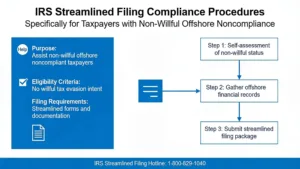
- Overview of streamlined procedures: The IRS offers streamlined procedures that allow taxpayers to rectify their filing status under specific circumstances. This can be particularly helpful for issues related to foreign accounts or undisclosed income reported incorrectly or late, and understanding FBAR penalty streamlined filing is paramount in such cases.
- Eligibility criteria: Typically, these procedures are available for taxpayers who can certify that their failure to report was non-willful.
These options are vital for taxpayers seeking to regain compliance with the IRS efficiently and effectively.
In reviewing these submission deadlines, it becomes clear that timely filing is essential for maintaining compliance. For instance, the existence of a federal tax lien can significantly complicate financial matters, underscoring the importance of diligent tax adherence.
Compliance with U.S. tax reporting requirements for Australian family trusts is paramount for both trustees and beneficiaries. The complexities involved necessitate a thorough understanding of IRS Form 3520 and Form 3520-A and their corresponding filing requirements. As these processes can be intricate, it is highly advisable for taxpayers to seek professional consultation to navigate the challenges effectively. Engaging specialists in international tax compliance can greatly assist in ensuring that all reporting obligations are met while minimizing the risk of penalties. As the landscape of international tax compliance continues to evolve, proactive measures are vital for all stakeholders involved.